By using our website, you agree to the use of cookies as described in our Cookie Policy
How to Pick the Best Surface Finish for Pools in Wellington
Most pool owners think surface finishes are just about looks. Pretty tiles, smooth plaster, done. But Wellington's climate sees more than that — and if you don't, you're asking for premature wear. Finishes may seem like a one-time decision, but they leave a lasting mark on maintenance costs, safety, and how long your pool actually lasts. Especially when you're dealing with salt air and unpredictable weather.
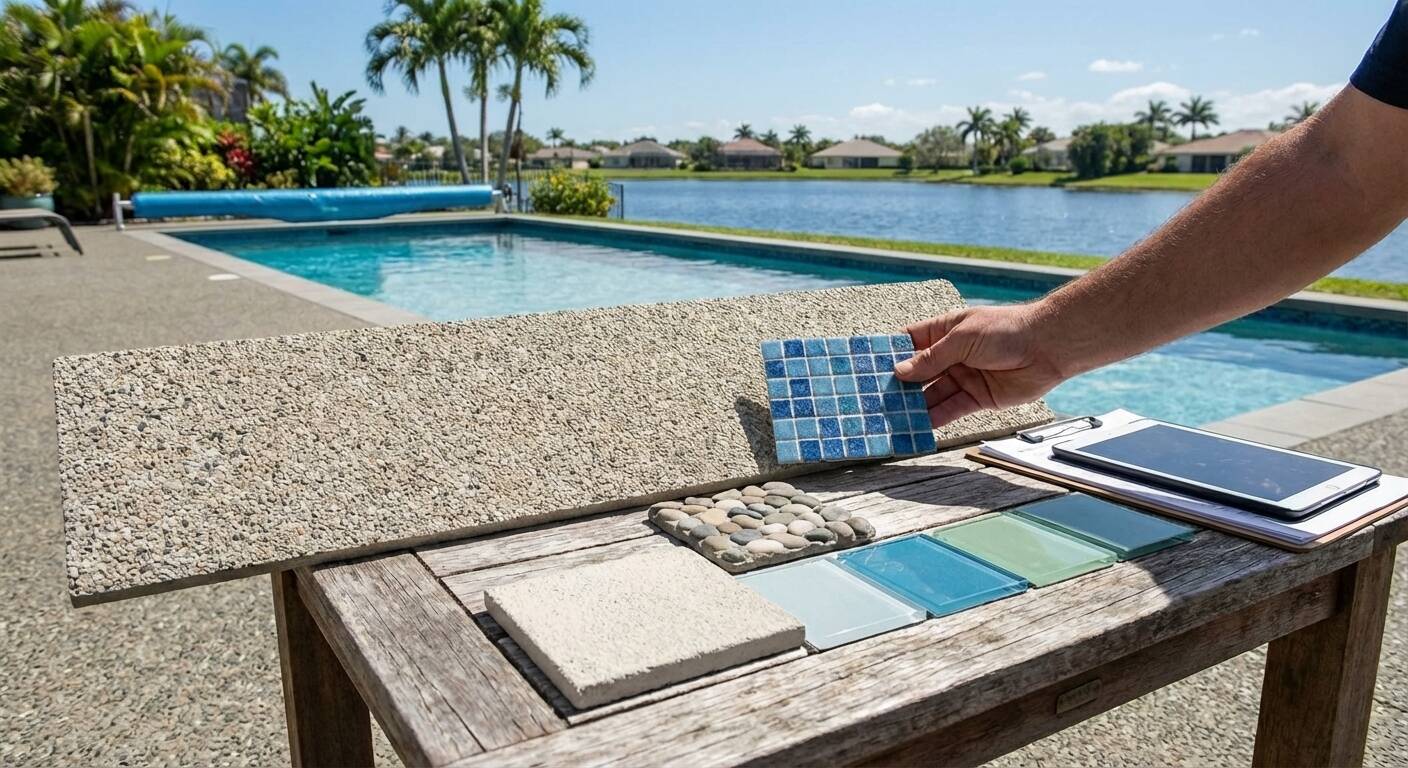
So here's the reality. If you're investing in a pool that's built to endure, that's smart. Just don't treat the surface like an afterthought. Every material choice should account for local conditions. Every finish needs to match how you'll actually use the space. And every decision should be grounded in performance — not just how it photographs on installation day.
Why Wellington Makes This Decision Harder
Wellington isn't your average poolside paradise. The wind alone can wreak havoc on exposed surfaces. Add in coastal salt, UV intensity, and temperature swings, and you've got an environment that tests every material you throw at it. A finish that works beautifully in Auckland might crack or stain here within a few seasons.
We've seen it happen. Homeowners go with the cheapest option, then spend years fighting algae, rough patches, or discoloration. The surface you choose isn't just cosmetic — it's your first line of defense against everything Wellington throws at your pool. Pick wrong, and you'll be resurfacing sooner than you planned.
What Actually Matters When You're Comparing Options
Before you fall in love with a color sample or a showroom display, get clear on what your pool needs to handle. Wellington pools face specific challenges that demand specific answers. You're not just picking a finish — you're picking a material that has to survive wind, salt, chemical exposure, and constant use.
Here's what we prioritize when evaluating surface finishes:
- Weather resistance: Can it handle salt spray and high winds without breaking down?
- Texture and safety: Will it stay slip-resistant when wet, especially for kids and older swimmers?
- Longevity: How many years will it last before you're looking at a costly redo?
- Maintenance load: Does it require weekly scrubbing or just occasional attention?
- Chemical tolerance: Will chlorine or saltwater systems degrade it faster than expected?
Plaster Looks Good Until It Doesn't
Plaster is the go-to for budget-conscious builds. It's smooth, it's affordable, and it gives you that classic pool aesthetic. But in Wellington, plaster shows its weaknesses fast. Salt air accelerates staining. Temperature shifts cause surface cracks. And if your water chemistry drifts even slightly, you'll see etching and rough spots within a couple of years.
That doesn't mean plaster is off the table — — it just means you need to be realistic. If you're willing to stay on top of water balance and accept a shorter lifespan, plaster can work. But if you want something that holds up without constant babysitting, you'll need to look elsewhere.
Aggregate Finishes Bring Durability to the Table
Aggregate finishes mix plaster with pebbles, quartz, or glass beads, creating a textured surface that's far tougher than plain plaster. The embedded materials add strength and visual interest, and they handle Wellington's conditions much better. Exposed aggregate, where the top layer is washed away to reveal the stones, is especially popular for its grip and natural appearance.
We see aggregate finishes lasting significantly longer in coastal environments. They resist staining, they don't etch as easily, and they maintain their texture even with heavy use. The tradeoff? They cost more upfront and can feel rougher underfoot. But for durability and low maintenance, aggregate is hard to beat.
Tile Is the Premium Play
Tile costs more than any other finish, but it delivers on every front. Ceramic, porcelain, and glass tiles are virtually impervious to chemicals, UV rays, and salt. They don't stain, they don't fade, and they can last decades with minimal upkeep. In Wellington's harsh climate, that resilience matters.
The design flexibility is another advantage. You can create custom patterns, mix colors, and achieve a high-end look that other finishes can't match. The downside? Installation is labor-intensive and expensive. But if you're building a pool you plan to keep for the long haul, tile is the finish that won't let you down.
Matching the Finish to How You'll Use the Pool
Your pool's purpose should drive your finish choice. A family pool with kids doing cannonballs all summer needs a different surface than a lap pool used by one or two adults. High-traffic pools demand slip resistance and durability. Low-use pools can get away with finishes that prioritize aesthetics over toughness.
Here's how usage patterns should shape your decision:
- Heavy family use: Go with aggregate or tile for durability and safety.
- Occasional entertaining: Plaster can work if you're diligent about maintenance.
- Saltwater systems: Tile and high-quality aggregate handle salt better than standard plaster.
- Heated pools: Temperature fluctuations can stress plaster; aggregate and tile hold up better.
- Aesthetic focus: Tile offers the most design flexibility, but premium aggregate finishes come close.
Maintenance Isn't Optional
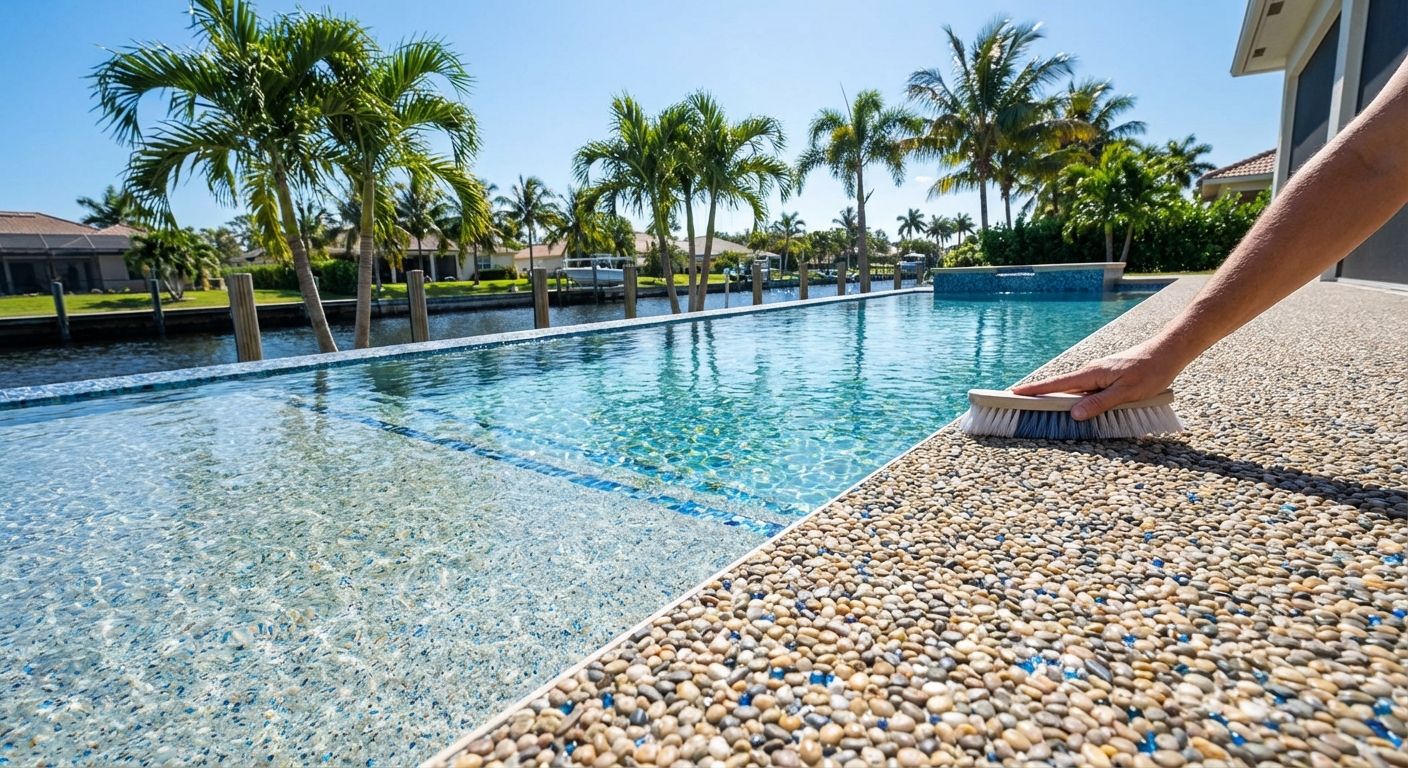
No finish is truly maintenance-free, but some demand far more attention than others. Plaster requires careful water chemistry management and regular brushing to prevent staining. Aggregate needs less frequent care but can trap debris in its texture. Tile is the easiest to clean, though grout lines may need occasional attention.
Wellington's environment adds another layer. Salt buildup, windblown debris, and algae growth are all more aggressive here. If you're not prepared to stay on top of cleaning and chemical balance, choose a finish that forgives neglect. Otherwise, you'll be fighting problems that could have been avoided with the right material choice. Professional weekly pool service maintenance can help manage these challenges effectively.
Budget Reality Check
Plaster is the cheapest option upfront, but it's also the shortest-lived. You might save money now, only to face resurfacing costs in five to seven years. Aggregate costs more initially but lasts longer, spreading the investment over a decade or more. Tile is the most expensive, but it can outlast everything else by decades.
Here's how the numbers typically break down:
- Plaster: Lowest initial cost, highest long-term maintenance and replacement frequency.
- Aggregate: Moderate upfront cost, lower maintenance, longer lifespan.
- Tile: Highest initial investment, minimal maintenance, longest lifespan.
- Resurfacing costs: Factor in the cost of redoing the finish when comparing options.
- Maintenance expenses: Plaster requires more chemicals and cleaning products over time.
Local Expertise Saves You Headaches
Wellington pool builders know which finishes hold up and which ones fail. They've seen what works in coastal wind, what survives salt exposure, and what looks good five years down the line. Don't rely on generic advice from overseas forums or national suppliers who've never dealt with Wellington's conditions.
A local professional can walk your site, assess your specific environment, and recommend finishes that match your budget and usage. They'll also know which installers do quality work and which ones cut corners. That knowledge is worth far more than any online research. Understanding what to expect during pool construction can help you make informed decisions about surface finishes.
The Finish That Fits Your Pool
There's no universal best finish — only the best finish for your situation. Wellington's climate narrows the field, but your budget, usage, and aesthetic preferences make the final call. Plaster works if you're cost-conscious and committed to maintenance. Aggregate delivers durability without breaking the bank. Tile is the premium choice for those who want a surface that lasts.
We've guided countless Wellington homeowners through this decision, and the ones who get it right are the ones who think long-term. They weigh upfront costs against lifespan. They consider how much time they'll spend on upkeep. And they choose finishes that match how they'll actually use their pool — not just how it looks in a brochure. Whether you're considering new pool and spa construction or exploring pool renovations and remodelling, selecting the right surface finish is critical. That's how you end up with a pool surface that performs year after year, no matter what Wellington's weather throws at it. For expert guidance on signs that your pool needs remodeling, consult with experienced professionals who understand local conditions.
Ready to Upgrade Your Pool?
Choosing the right surface finish is the difference between years of hassle-free enjoyment and constant repairs. Let’s make sure your Wellington pool stands up to the elements and fits your lifestyle. If you’re ready to talk options or want honest advice from local experts, give us a call at 561-792-5326. When you’re ready to take the next step, Request A Free Estimate and let’s get your project started right.
‹ Back
Recent Posts
-
Is Your Spa in Wellington Heating the Way It Should?
August 31, 2026
-
Are Water Features in Wellington Right for Your Pool Design?
August 17, 2026
-
-
Is Your Pool Pump in Wellington Making Unusual Noises?
July 20, 2026
-