
By using our website, you agree to the use of cookies as described in our Cookie Policy
When Should You Replace Pool Pumps in Wellington?
Most pool owners think pumps are just about circulation. Water moves, filter cleans, everyone swims. But the reality is messier than that — and if you're not paying attention, you're setting yourself up for expensive surprises. Pumps don't announce their retirement. They grind, leak, and drain your wallet until you finally notice. Especially in Wellington, where salt air and humidity don't do your equipment any favors.
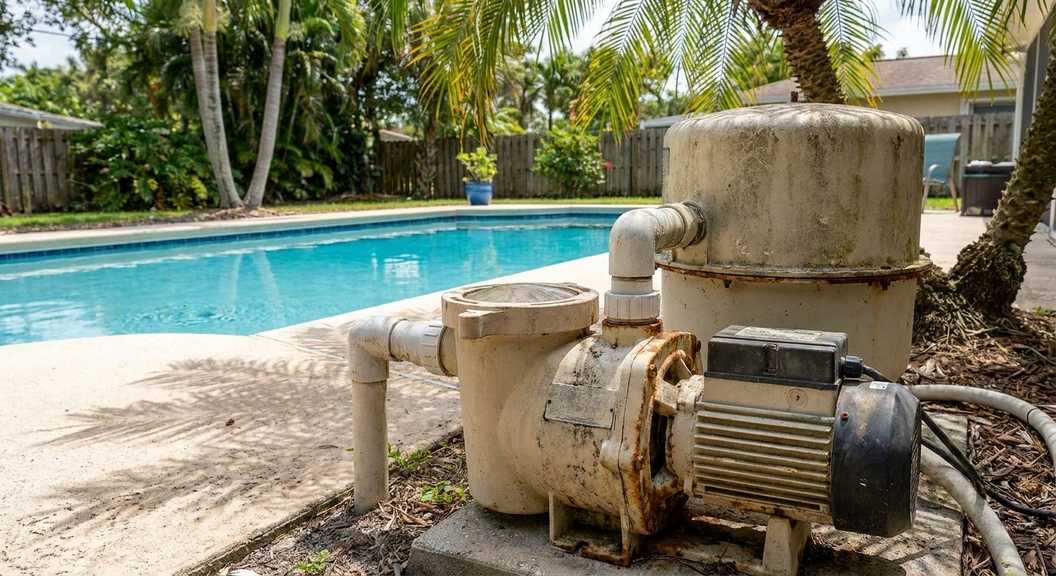
So here's what matters. If you're running a pool that gets regular use, that pump is working harder than you think. Every season leaves a mark. Every repair buys you time, not permanence. And every decision to wait just a little longer should be grounded in what the pump is actually doing — not just how it looked when you installed it.
The Pump Isn't Optional
Your pool pump does more than push water around. It's the engine behind filtration, chemical distribution, and temperature control. Without it running properly, debris settles, algae blooms, and your water turns into a science experiment. The pump pulls water through the filter, sends it past the heater, and cycles it back clean. When that process breaks down, everything else follows.
We've seen pools go from crystal clear to swamp green in less than a week because the pump quit and nobody caught it in time. The longer you wait to address a failing pump, the more you'll spend fixing the problems it caused.
Your Pump Is Telling You Something
Pumps don't fail quietly. They give you warnings — sometimes subtle, sometimes loud enough to hear from inside the house. The trick is knowing which signs mean "fix it soon" and which mean "replace it now."
Here's what we watch for:
- Pumps older than ten years are living on borrowed time, especially if they've been running daily without major service
- Grinding or squealing noises usually point to bearing failure, and that's not a cheap fix
- Leaks around the housing or seals mean internal wear that only gets worse
- Weak water flow or struggling jets signal that the motor isn't keeping up anymore
- Frequent trips to reset the breaker suggest electrical issues that could be dangerous
Wellington Weather Doesn't Help
Living near the coast means your pool equipment takes a beating. Salt in the air corrodes metal faster. Humidity creeps into electrical components. Wind-driven rain finds every gap in the housing. Even if your pump is technically rated for outdoor use, Wellington's conditions accelerate wear in ways that landlocked pools never see.
We've pulled pumps that looked fine on the outside but had corroded wiring and rusted impellers once we opened them up. If your pool is exposed to the elements without a cover or enclosure, expect to replace your pump closer to the eight-year mark than twelve.
Upgrading Pays Off
Replacing a pump isn't just damage control. It's an opportunity to cut costs and improve performance. Modern variable-speed pumps use a fraction of the electricity that older single-speed models burn through. They're quieter, more reliable, and often come with warranties that actually mean something.
Here's what you gain with a new pump:
- Energy savings that show up on your power bill within the first month
- Quieter operation that won't interrupt backyard conversations
- Better filtration that keeps your water clearer with less chemical use
- Longer warranties that protect your investment for years
- Smart controls that let you schedule run times and adjust speeds remotely
Repairs Only Go So Far
There's a point where fixing an old pump stops making financial sense. If you're spending hundreds on repairs every season, you're throwing money at a problem that won't go away. Bearings wear out. Seals crack. Motors lose efficiency. And every repair is just buying time until the next failure.
We tell clients to add up what they've spent on pool service repairs over the past two years. If that number is more than half the cost of a new pump, replacement is the smarter move. You'll get better performance, lower energy costs, and peace of mind that you're not one breakdown away from a pool shutdown.
When the Power Bill Spikes
Old pumps are energy hogs. They run at full speed whether they need to or not, burning electricity around the clock. If your power bill has crept up without any other explanation, your pump is probably the culprit. Newer variable-speed models adjust their output based on demand, which can cut your pump's energy use by 50% or more.
That's not just good for your wallet. It's better for the environment and easier on your electrical system. High-draw motors stress your breaker panel and can cause voltage drops that affect other equipment. Upgrading to an efficient pump solves multiple problems at once.
Get a Professional Opinion
If you're not sure whether your pump needs replacing, bring in someone who knows what to look for. A qualified pool technician can test flow rates, check electrical draw, inspect seals and bearings, and give you an honest assessment of how much life is left.
Here's what a good inspection covers:
- Motor performance and amperage draw compared to manufacturer specs
- Seal integrity and signs of internal leaks
- Bearing condition and noise levels under load
- Electrical connections and grounding for safety
- Overall efficiency and whether a repair or replacement makes more sense
Sizing Matters More Than You Think
When you do replace your pump, don't just buy the same model you had before. Pool equipment has improved, and your needs may have changed. An oversized pump wastes energy and can damage your filter. An undersized pump won't circulate water properly and will struggle to keep up with demand.
A professional can calculate the right pump size based on your pool volume, plumbing diameter, filter type, and how you use your pool. Getting this right the first time saves you from having to replace the pump again in a few years because it was never the right fit.
Don't Wait for a Complete Failure
The worst time to replace a pump is when it's already dead. You're stuck without a functioning pool, you're paying for emergency service, and you don't have time to shop around for the best price or model. Plan ahead. If your pump is showing signs of wear, start researching options and get quotes before you're forced into a rushed decision.
We've seen too many pool owners wait until their pump dies mid-summer, then scramble to find a replacement while their pool turns green. That's avoidable. If your pump is over eight years old or showing any of the warning signs we've covered, start planning your replacement now.
Keeping Your Pool Running Strong
Pumps don't last forever, but they'll last longer if you treat them right. Regular maintenance, proper winterization, and keeping an eye on performance will stretch the lifespan and give you advance warning when replacement is coming. Weekly pool service maintenance makes that even more important. Salt and moisture don't take breaks, and neither should your attention to equipment health.
At the end of the day, replacing your pool pump isn't about reacting to failure. It's about staying ahead of it. The right pump, installed at the right time, keeps your pool clean, your costs down, and your summers uninterrupted. Don't wait until you're dealing with a breakdown to make the call. If you need expert guidance on extending the life of your pool equipment or determining when replacement is necessary, our team at Palm Pool and Spa is here to help with professional pool services throughout the Wellington area.
Let’s Keep Your Pool at Its Best
We know how important a reliable pool pump is for your comfort and peace of mind. If you’re noticing any warning signs or just want to make sure your pool is ready for the season, let’s talk it through together. Give us a call at 561-792-5326 or request a free estimate and we’ll help you keep your pool running strong all year long.
‹ Back
Recent Posts
-
Is Your Spa in Wellington Heating the Way It Should?
August 31, 2026
-
Are Water Features in Wellington Right for Your Pool Design?
August 17, 2026
-
-
Is Your Pool Pump in Wellington Making Unusual Noises?
July 20, 2026
-