By using our website, you agree to the use of cookies as described in our Cookie Policy
Are Water Features in Wellington Right for Your Pool Design?
Most pool owners think water features are just about aesthetics. Splash, flow, done. But the reality cuts deeper — and if you're not asking the right questions before installation, you're setting yourself up for headaches. Features may look stunning in the brochure, but they leave a mark on your maintenance routine, your water bill, and your long-term satisfaction. Especially if you're dealing with Wellington's wind or choosing equipment that can't handle the conditions.
So here's what matters. If you're designing a pool that reflects how you actually live, that's smart. Just don't treat water features like automatic upgrades. Every nozzle should serve a purpose. Every installation needs proper placement. And every design decision should be grounded in how the feature performs — not just how it photographs.
When a Feature Adds Value and When It Just Adds Noise
Nine times out of ten, water features enhance your pool. You add movement, you create ambiance — that's elevation, not clutter. The question isn't whether they look good, it's whether they fit your space and how much upkeep you're willing to commit to.
But if that waterfall gets clogged? Different story. Features can demand attention, especially if the design didn't account for debris or the pump wasn't sized right. We've seen this play out across Wellington properties. Plenty of homeowners thought maintenance was minimal — it wasn't. And when filters get neglected or jets stop firing, you're stuck with a feature that costs more than it delivers.
The Features That Actually Work
You can't install every feature on the market and expect harmony — that's visual chaos. But the right choices? Those create atmosphere without overwhelming your pool or your schedule.
Here's where selection matters most:
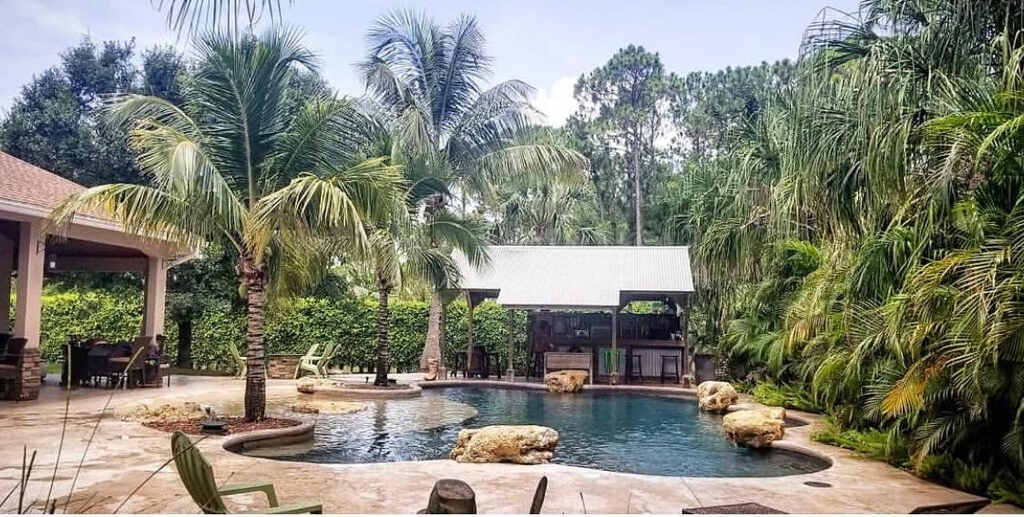
- Waterfalls: Built into rock formations or pool edges, they deliver sound and motion. Choose natural stone for durability in Wellington's climate.
- Deck jets: Arching streams that add elegance without taking up pool real estate. Best placed where they won't spray seating areas.
- Sheer descents: Sleek water sheets that work beautifully with modern designs. Minimal splash, maximum impact.
- Bubblers: Installed on tanning ledges or steps, these create gentle movement. Kids love them, and they're low-maintenance.
- Spillover spas: Elevated hot tubs that flow into the main pool. They serve double duty and anchor the design visually.
When Features Don't Fit
Want to install a feature? You'll need to prove your pool can support it — and that your yard layout makes sense for the installation.
Three main checkpoints separate good designs from regrettable ones:
- Your pool pump and filtration system can handle the extra water circulation
- Your backyard has adequate drainage to manage overflow or splash
- Your utility setup supports additional electrical demands without overloading circuits
Miss one of those, and the feature underperforms. Even if the installation itself went smoothly. And if any part of your pool sees heavy wind exposure? That changes which features stay functional. No point installing deck jets if Wellington gusts blow half the water onto your patio furniture.
Wellington Wind Changes the Game
If your property sits in an exposed area, there's a practical ceiling on what works. Wellington's weather isn't forgiving, and features that rely on delicate streams or high arcs get disrupted fast.
You'll need to choose designs that stay grounded. Low-profile waterfalls, recessed bubblers, and sheer descents all perform better when wind picks up. Tall fountains and elevated jets? Those become liabilities when gusts turn your feature into a sprinkler system for the lawn.
Most suburban properties won't face constant wind issues — but those near the coast or on hillsides need to be strategic. Especially if they're investing in multiple features or planning statement pieces.
Your Design Only Works If Your System Supports It
Want features that perform? Build the infrastructure first. You'll need more than standard pool equipment to keep everything running smoothly.
Here's what your setup should include:
- A variable-speed pump sized for total flow requirements
- Dedicated return lines for each feature to control pressure independently
- Adequate filtration capacity to handle increased water circulation
- Proper electrical wiring with GFCI protection for all powered components
If your builder shortcuts the system, features fail early. Mixing undersized pumps with ambitious designs is one of the fastest ways to burn out equipment. So if that three-tier waterfall you want needs serious GPM, you'd better have the pump to match.
Where Most Pool Owners Stumble
Overloading Small Spaces
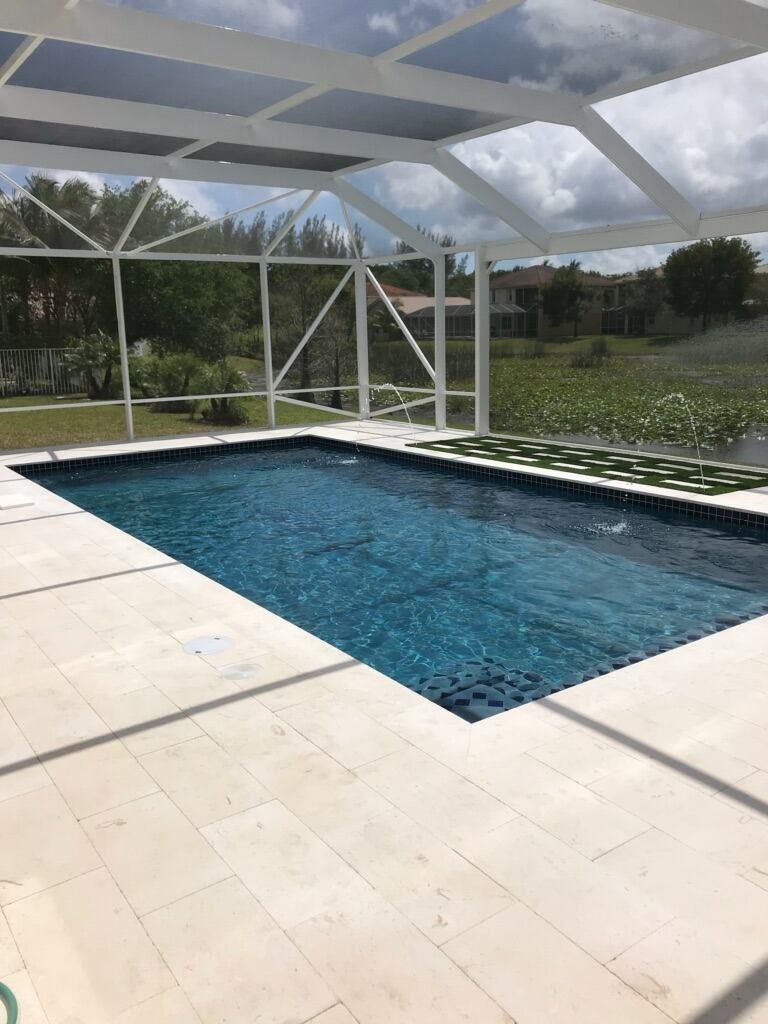
Trying to cram every feature into a compact pool? It reads as cluttered, not luxurious. Overcrowded designs sacrifice swim space and create maintenance bottlenecks. Most successful projects choose two or three complementary features — and plenty stay balanced by working with designers who understand proportion.
Ignoring Maintenance Requirements
Don't assume features run themselves. Nozzles clog, pumps need servicing, and mineral buildup happens. If you skip regular checks, performance drops. If you let algae take hold in waterfall crevices, you're facing scrub work. Clean features monthly. It's tedious. It prevents expensive repairs.
Choosing Style Over Function
If you picked a feature because it looked good online, but it doesn't suit Wellington conditions or your pool layout, you've created a problem. Flashy installations that ignore site realities become regrets. Work with local professionals who know which features hold up and which ones disappoint.
Maintenance Realities You Can't Ignore
Features don't just add beauty — they add tasks. Filters need more frequent cleaning. Nozzles require inspection. Calcium deposits form where water flows constantly.
Budget time for upkeep, or budget money for a pool service. Either way, neglect isn't an option. The features that impress guests year after year are the ones that get consistent attention. The ones that become eyesores? Those belonged to owners who thought "low-maintenance" meant "no maintenance."
When to Bring In a Designer
If your vision includes multiple features, unique materials, or a complex layout, you're past DIY territory. A pool designer helps you identify which features enhance your space and which ones compete for attention. They also ensure your budget aligns with reality and your mechanical systems support the plan.
It's not just about creating something stunning this season. It's about building a pool that functions beautifully and holds up under Wellington's conditions for the long haul.
Features That Fit Your Life
Choosing water features isn't the hard part. Choosing the right ones — and installing them in ways that enhance usability rather than complicate it — that's where pool projects succeed or stall. There's no excuse for poor planning when the options are this varied. But there's also no forgiveness when you ignore site conditions or system capacity.
We help Wellington homeowners design pools that work as hard as they look good — with clarity, precision, and an understanding of what it takes to maintain them, not just admire them. If you're weighing whether water features suit your property, start with the conditions you're working with and build from there.
Let's Design a Pool That Works for You
When it comes to water features, the right choices make all the difference in how much you enjoy your pool year after year. Let's work together to create a design that fits your lifestyle and stands up to Wellington's unique conditions. If you're ready to talk through your ideas or want expert advice on what will work best for your space, give us a call at 561-792-5326 or request a free estimate today.
‹ Back
Recent Posts
-
Is Your Spa in Wellington Heating the Way It Should?
August 31, 2026
-
Are Water Features in Wellington Right for Your Pool Design?
August 17, 2026
-
-
Is Your Pool Pump in Wellington Making Unusual Noises?
July 20, 2026
-