By using our website, you agree to the use of cookies as described in our Cookie Policy
Is Replacing Your Pool Tile in Wellington the Right Choice?
Most pool owners think tile is just about looks. Pretty colors, clean lines, maybe a waterline accent. But tile does more than that — and if you're ignoring cracks, stains, or loose grout, you're setting yourself up for bigger problems. Tile protects your pool shell. It keeps water where it belongs. And when it fails, the damage doesn't stay cosmetic for long.
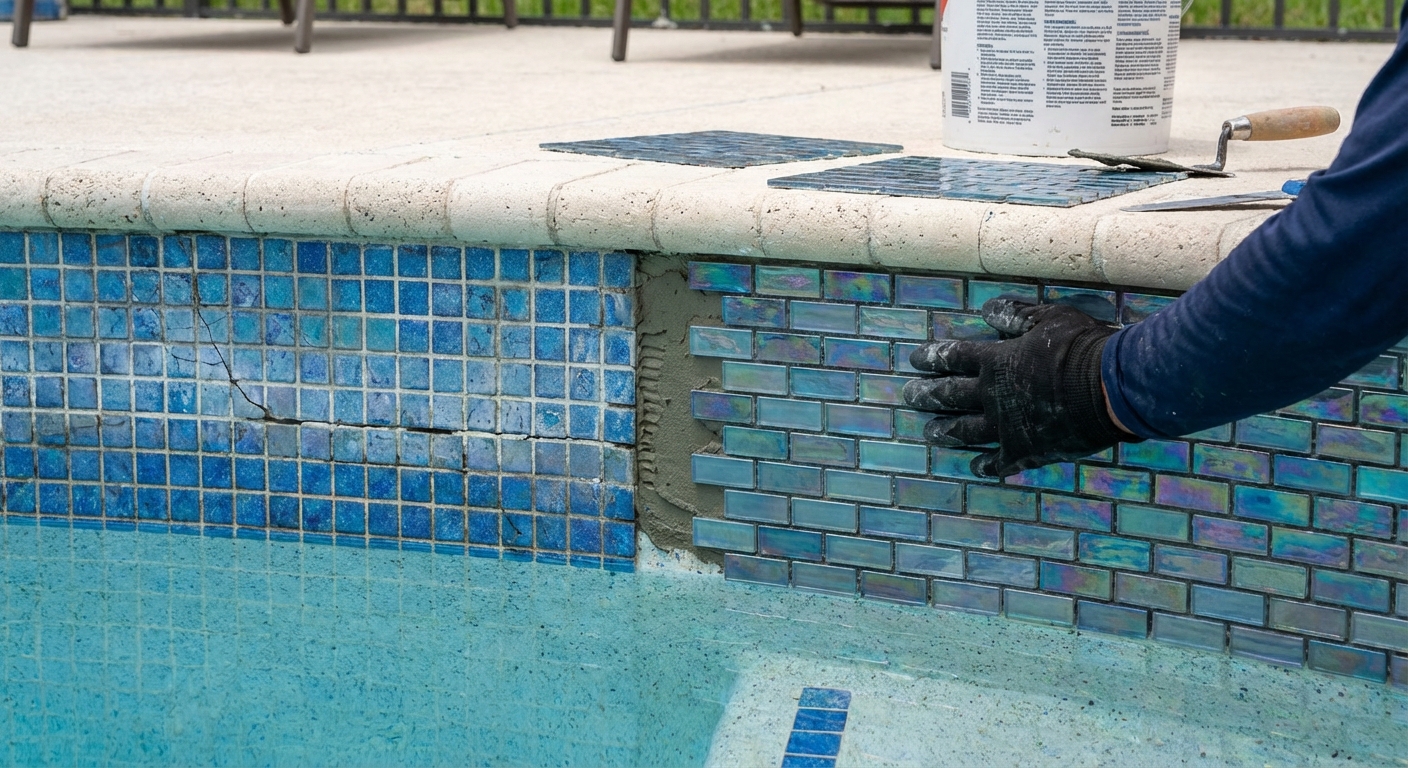
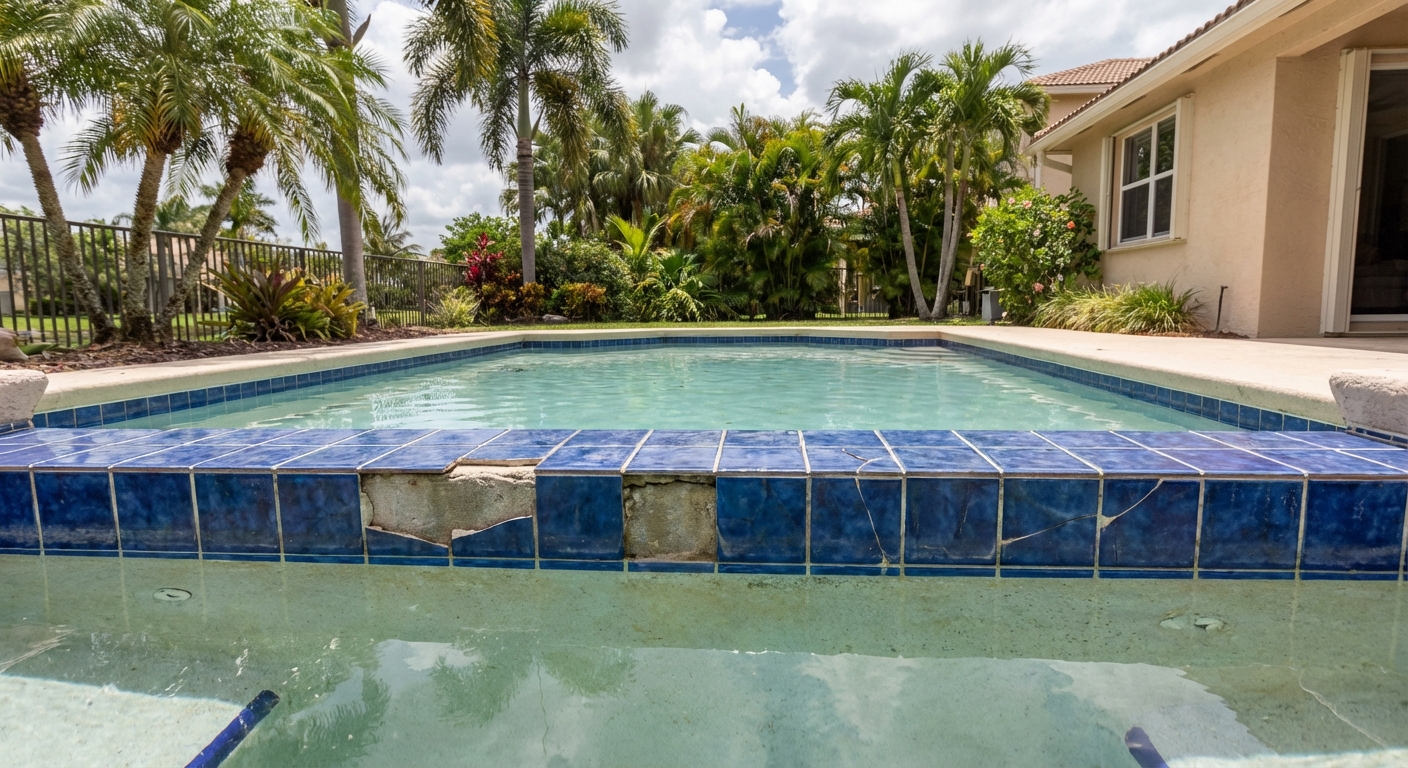
So here's what matters. If your tile is cracked, chipping, or pulling away from the surface, that's not a cosmetic issue anymore. That's structural exposure. Every gap is a place for water to seep behind the surface. Every loose piece is a liability waiting to cut someone's foot. And every delay in addressing it just makes the repair more expensive when you finally pull the trigger.
When Tile Damage Becomes a Real Problem
Tile doesn't fail overnight. It degrades slowly — calcium buildup, UV exposure, freeze-thaw cycles in cooler months, and chemical imbalance all take their toll.
But the real issue isn't the tile itself. It's what happens when it stops doing its job. Water gets behind the surface. Grout erodes. The bond layer weakens. Before long, you're not just replacing tile — you're repairing the shell underneath. That's when a $3,000 tile job turns into a $10,000 structural fix.
What Replacement Actually Fixes
New tile doesn't just look better. It resets the clock on your pool's protective barrier. Modern materials are more resistant to chemicals, UV damage, and temperature swings. They're easier to clean, harder to stain, and less likely to crack under pressure.
Here's what you gain when you replace worn tile:
- A watertight seal that protects the pool shell from moisture intrusion
- A smooth, non-porous surface that resists algae and calcium buildup
- Improved safety with no sharp edges or loose pieces
- A visual refresh that can increase property value and curb appeal
- Long-term durability that reduces maintenance costs over time
The Cost Question Nobody Wants to Ask
Tile replacement isn't cheap. Depending on the size of your pool and the material you choose, you're looking at anywhere from a few thousand to well over ten. That's a real number, and it's worth understanding what drives it.
Labor is the biggest factor. Removing old tile without damaging the underlying surface takes time and skill. Prepping the substrate, applying new adhesive, setting the tile, grouting, and sealing — it's a multi-day process. Rushing it leads to poor adhesion, uneven lines, and premature failure.
Material choice matters too. Ceramic is affordable but less durable. Glass tile looks stunning but costs more and requires precise installation. Porcelain sits in the middle — strong, versatile, and reasonably priced. Each option has trade-offs, and the right one depends on your budget, aesthetic goals, and how long you plan to stay in the home.
When Repair Makes More Sense Than Replacement
Not every tile issue requires a full teardown. If the damage is isolated — a few cracked tiles near the steps, some grout erosion along the waterline — spot repairs can buy you time. A skilled contractor can match existing tile, re-grout problem areas, and restore the surface without starting from scratch.
Here's when repair is the smarter move:
- Damage is limited to a small section of the pool
- The existing tile is still in good condition overall
- You're planning to sell within the next few years and just need it functional
- Your budget doesn't allow for a full replacement right now
- The tile style is still available and can be matched closely
Material Selection Isn't Just About Color
Walk into any pool supply store and you'll see hundreds of tile options. Different colors, textures, finishes, sizes. It's overwhelming if you don't know what you're looking for. But the decision isn't just aesthetic — it's functional.
Porcelain tile is dense, durable, and resistant to staining. It holds up well in high-traffic pools and doesn't fade under UV exposure. Glass tile reflects light beautifully and creates a high-end look, but it's more expensive and can show water spots if not maintained. Ceramic is budget-friendly but more porous, which means it's prone to staining and algae growth if the pool chemistry isn't dialed in.
We recommend choosing based on how you use the pool, not just how you want it to look. High-use family pools need durability. Low-maintenance owners should prioritize non-porous materials. And if resale value is a factor, neutral tones and classic styles tend to appeal to a broader audience.
Installation Quality Determines Longevity
You can buy the best tile on the market, but if the installation is sloppy, it won't last. Poor adhesion, uneven grout lines, and improper curing all lead to premature failure. We've seen pools where tile started popping off within a year because the contractor skipped steps or used the wrong materials.
Here's what proper installation looks like:
- Complete removal of old tile and adhesive down to a clean substrate
- Surface prep that includes leveling, patching, and priming
- Use of pool-grade thinset and grout designed for underwater applications
- Adequate curing time before refilling the pool
- Sealing of grout lines to prevent water penetration and staining
Timing the Project Without Losing Your Summer
Nobody wants their pool out of commission during peak season. But tile replacement takes time — usually a week or more depending on the scope. That means draining the pool, letting it dry, completing the work, and refilling before you can swim again.
The best time to schedule tile work in Wellington is late fall or early spring. Temperatures are mild, demand for contractors is lower, and you're not sacrificing prime pool weather. If you wait until June and realize your tile is failing, you're either living with it all summer or shutting down the pool when you want to use it most.
What Happens If You Wait Too Long
Delaying tile replacement doesn't just mean living with an ugly pool. It means risking real damage to the structure underneath. Water that seeps behind failing tile can erode the bond beam, weaken the shell, and create voids that lead to cracking. Once that happens, you're not just replacing tile — you're rebuilding sections of the pool.
We've seen it play out dozens of times. A homeowner notices a few loose tiles, figures it's no big deal, and puts it off for another season. By the time they call, the damage has spread. What could have been a straightforward tile job turns into a major repair with structural work, replastering, and weeks of downtime.
Choosing the Right Contractor in Wellington
Not every pool company does tile work well. Some specialize in new builds and treat tile replacement as a side job. Others focus on maintenance and don't have the skills for precision installation. You need someone who does this regularly, understands the materials, and stands behind their work.
Here's what to look for when vetting contractors:
- Proven experience with tile replacement, not just new pool construction
- References from recent projects you can actually see or contact
- Clear timelines and written estimates that break down labor and materials
- Licensing and insurance that protects you if something goes wrong
- Willingness to discuss material options and explain the pros and cons of each
Making the Call
Replacing pool tile isn't a decision you make lightly. It's an investment in the longevity of your pool, the safety of your family, and the value of your property. But it's also one of those projects where waiting too long costs more than acting early. If your tile is failing, the question isn't whether to replace it — it's when, and with whom. Professional pool renovations and remodeling services can help you understand your options, and if you're considering broader improvements, exploring how to plan your budget for pool renovation can provide valuable guidance. For those noticing early warning signs, learning about signs that your pool needs remodeling can help you act before minor issues become major expenses. Regular weekly pool service maintenance can also extend the life of your tile and prevent costly damage. Additionally, understanding what homeowners should know about pool resurfacing can prepare you for related work that may be needed alongside tile replacement. Choose wisely, plan ahead, and you'll have a pool that looks great and holds up for years to come.
Ready to Protect Your Pool?
We know how important it is to keep your pool looking sharp and performing at its best. If you're seeing signs of tile damage or just want to refresh your pool's appearance, let's talk about the best way forward. Give us a call at 561-792-5326 to speak with our team, or request a free estimate and let’s get your pool back in top shape.
‹ Back
Recent Posts
-
Is Your Spa in Wellington Heating the Way It Should?
August 31, 2026
-
Are Water Features in Wellington Right for Your Pool Design?
August 17, 2026
-
-
Is Your Pool Pump in Wellington Making Unusual Noises?
July 20, 2026
-