
By using our website, you agree to the use of cookies as described in our Cookie Policy
Is Your Pool Pump in Wellington Making Unusual Noises?
Most pool owners hear a hum and move on. But when that hum turns into grinding, screeching, or rattling, your pump isn't just being loud — it's sending signals. Ignoring them doesn't make the noise go away. It just makes the repair bill bigger. Your pump keeps water moving, debris out, and chemistry balanced. When it starts acting up, everything downstream suffers.
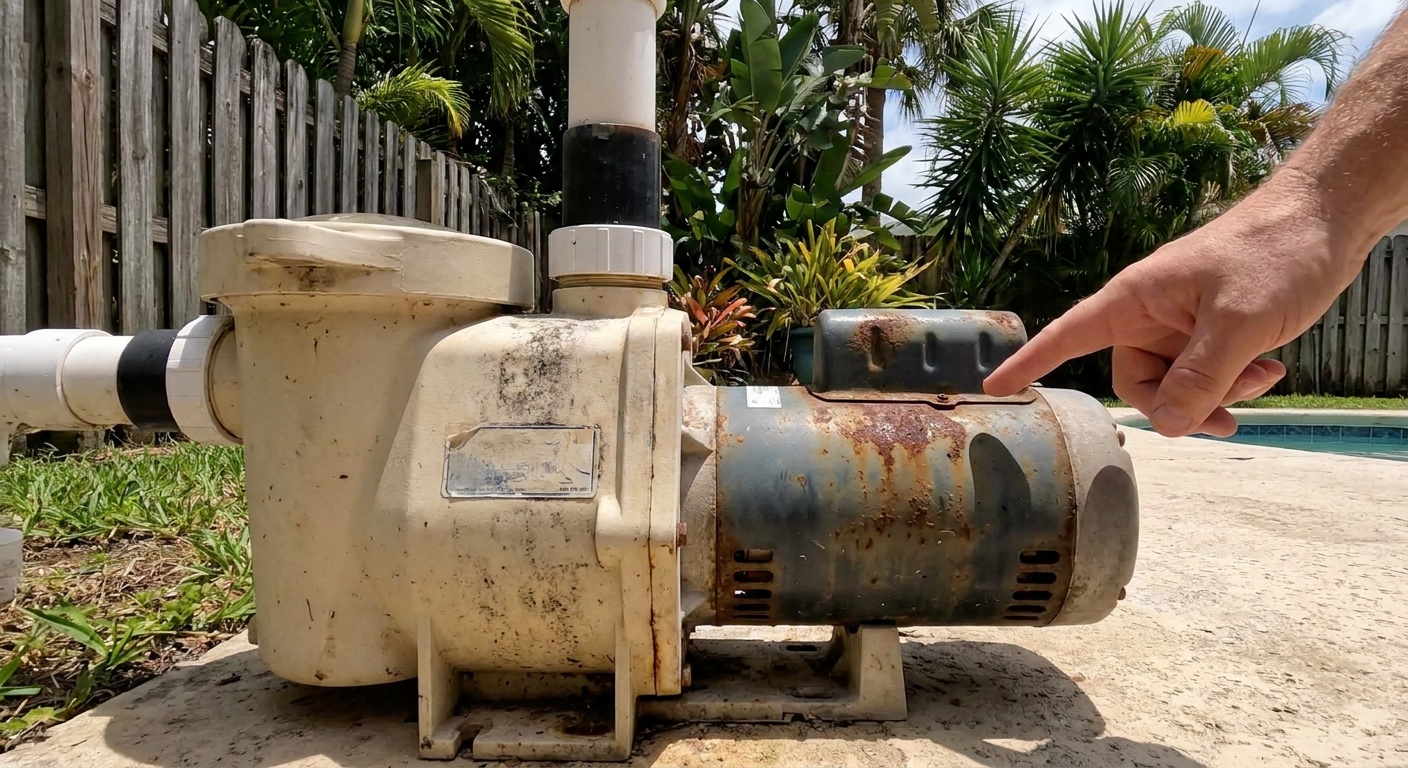
So here's what matters. If your equipment is making sounds you've never heard before, that's not background noise. That's a breakdown in progress. Every strange rattle has a cause. Every delay gives the problem time to spread. And every decision you make now either saves you money or costs you more later.
When the Bearings Start to Go
Grinding or screeching usually means one thing — worn bearings. They're tucked inside the motor, and when they fail, the whole unit starts to suffer. Bearings don't last forever. Heat, moisture, and chemical exposure wear them down faster than normal use ever could. Once they're gone, the motor follows.
Catch it early and you're looking at a repair. Wait too long and you're replacing the whole pump. We've seen it happen more times than we can count. The sound gets louder. The owner waits. Then one day the motor seizes and the pool sits stagnant until a new unit shows up.
Running Dry Is Running Scared
A loud hum that won't quit often means your pump is struggling to pull water — or worse, running without any. That happens when there's a blockage, a clog in the line, or the water level drops too low. Pumps aren't designed to run dry. Even a few minutes without water flow can fry the motor and warp the seals.
If the hum kicks in and doesn't settle, shut it down. Check your skimmer baskets. Look at the water level. Make sure nothing's blocking the intake. Running it "just a little longer" to see if it fixes itself is how small problems become expensive ones.
Debris Finds a Way In
Rattling or clanking noises point to something loose or something foreign bouncing around inside the housing. Even with a skimmer basket doing its job, small rocks, twigs, or chunks of broken tile can slip through. Once they're inside, they bang against the impeller and housing until something breaks or bends.
Sometimes it's not debris at all — it's a bolt that worked itself loose or a component that wasn't seated right during the last service. Either way, the fix is straightforward if you catch it. Let it rattle for weeks and you'll be replacing parts that didn't need to fail.
Air in the System Means a Leak Somewhere
Bubbling or gurgling sounds tell you air is getting sucked into the pump. That's not normal. It usually means a crack in the suction line, a loose fitting, or a water level that's dropped below the skimmer intake. Air pockets mess with circulation, reduce filtration efficiency, and put extra strain on the motor.
Finding the leak isn't always obvious. Sometimes it's a hairline crack. Sometimes it's a gasket that dried out. Either way, you'll need to trace the plumbing and test each connection. If you're not sure where to start, bring in someone who is. Guessing costs more than a service call.
What Happens When You Wait
Pool pumps don't heal themselves. A strange noise today becomes a seized motor tomorrow. Poor circulation leads to algae blooms, cloudy water, and chemical imbalances that spiral out of control. Other equipment starts working harder to compensate, and before long you're replacing heaters, filters, and automation systems that shouldn't have failed yet.
And then there's the electric bill. A struggling pump draws more power. Month after month, you're paying for inefficiency while the unit limps along. We've seen owners spend hundreds extra on electricity before they finally address the root cause. That's money you don't get back.
Steps to Take When the Noise Starts
Don't ignore it. Don't wait until the weekend. Shut the pump down and start checking the basics. Most issues have early warning signs, and most of those signs show up before the damage spreads.
- Turn off the pump immediately to prevent further strain
- Check skimmer and pump baskets for clogs or debris
- Inspect the water level and top off if it's low
- Look for visible leaks around fittings and valves
- Listen for where the noise is coming from — motor, housing, or plumbing
When to Call a Pro
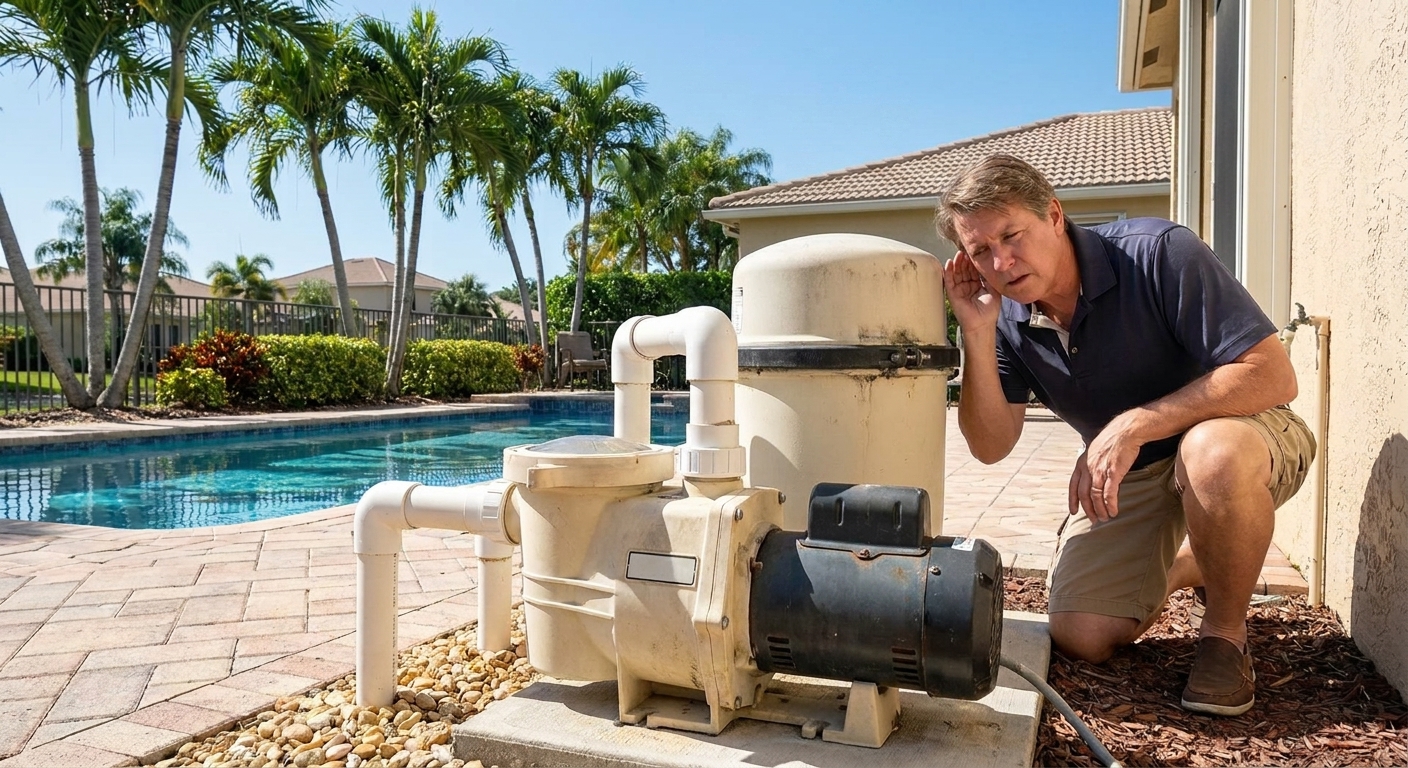
If the noise doesn't stop after you've cleared debris and checked water levels, it's time to bring in a technician. Bearings, seals, and motors require tools and expertise that most pool owners don't have lying around. Trying to DIY a motor replacement or impeller swap often makes things worse, not better.
A qualified tech can diagnose the issue in minutes, source the right parts, and get your system back online before algae takes over. They'll also spot other problems you might have missed — worn gaskets, loose bolts, cracked housings — and fix them before they escalate.
Maintenance Prevents Most Failures
Pumps that get regular pool service and maintenance last longer and run quieter. Clean out baskets weekly. Check water levels before every swim season. Inspect seals and fittings for wear. If your pump is more than a few years old, schedule an annual service to catch problems early.
- Replace worn gaskets before they crack
- Lubricate O-rings to keep seals tight
- Clear out debris before it reaches the impeller
- Monitor water chemistry to reduce corrosion
- Test the motor for unusual heat or vibration
Documentation Saves You Later
Keep records of every service, repair, and part replacement. If your pump is still under warranty, you'll need proof of maintenance to make a claim. If it's not, you'll want a timeline to show what's been done and what's overdue.
Write down when you hear new noises, what they sound like, and what you checked. That information helps your technician diagnose faster and more accurately. It also keeps you from paying for repeat inspections every time you call.
- Log service dates and what was done
- Note when unusual sounds first appeared
- Track part replacements and their warranty periods
- Document water chemistry readings over time
- Save receipts for repairs and replacements
Don't Assume It'll Settle Down
Pool pumps don't fix themselves. The noise you're hearing isn't going to fade. It's going to get louder, more frequent, and eventually it'll be followed by smoke, a seized motor, or a flooded equipment pad. Every day you wait gives the problem more room to grow.
Addressing it now — while it's still just a sound — keeps your pool clean, your equipment intact, and your costs manageable. Waiting until it fails completely means downtime, emergency service fees, and possibly a full replacement when a simple bearing swap would've done the job.
What to Expect from a Service Call
A good technician will listen to the pump, inspect the housing, and test the motor. They'll check for air leaks, debris, and worn components. Most visits take less than an hour unless parts need to be ordered. If the issue is minor, you'll be back up and running the same day.
- Motor bearing inspection and replacement if needed
- Impeller and housing checks for cracks or debris
- Seal and gasket replacement to stop air leaks
- Electrical testing to rule out wiring issues
- Water flow analysis to confirm proper circulation
Noise Means Action
Your pool pump isn't supposed to sound like a rock tumbler or a dying engine. When it does, that's your cue to step in. The fix might be simple. The delay never is. Understanding when pool equipment needs repair can prevent costly breakdowns, and professional pool service and repairs ensure your system runs smoothly. If you're experiencing pool repairs in Wellington FL, addressing them promptly can save you money in the long run. Learning how to extend pool equipment life through proper maintenance helps avoid unnecessary replacement costs. We help Wellington pool owners keep their systems running smooth and quiet — without the guesswork, without the downtime, and without the surprise repair bills that come from waiting too long.
Let’s Get Your Pool Pump Back to Quiet
We know how disruptive a noisy pool pump can be, and we’re here to help you get back to enjoying a peaceful, sparkling pool. Don’t let strange sounds turn into bigger headaches—let’s tackle the issue together before it gets worse. Give us a call at 561-792-5326 or request a free estimate and we’ll make sure your pool equipment is running smoothly again.
‹ Back
Recent Posts
-
Is Your Spa in Wellington Heating the Way It Should?
August 31, 2026
-
Are Water Features in Wellington Right for Your Pool Design?
August 17, 2026
-
-
Is Your Pool Pump in Wellington Making Unusual Noises?
July 20, 2026
-